

Shopify conversion rate optimisation that starts with evidence
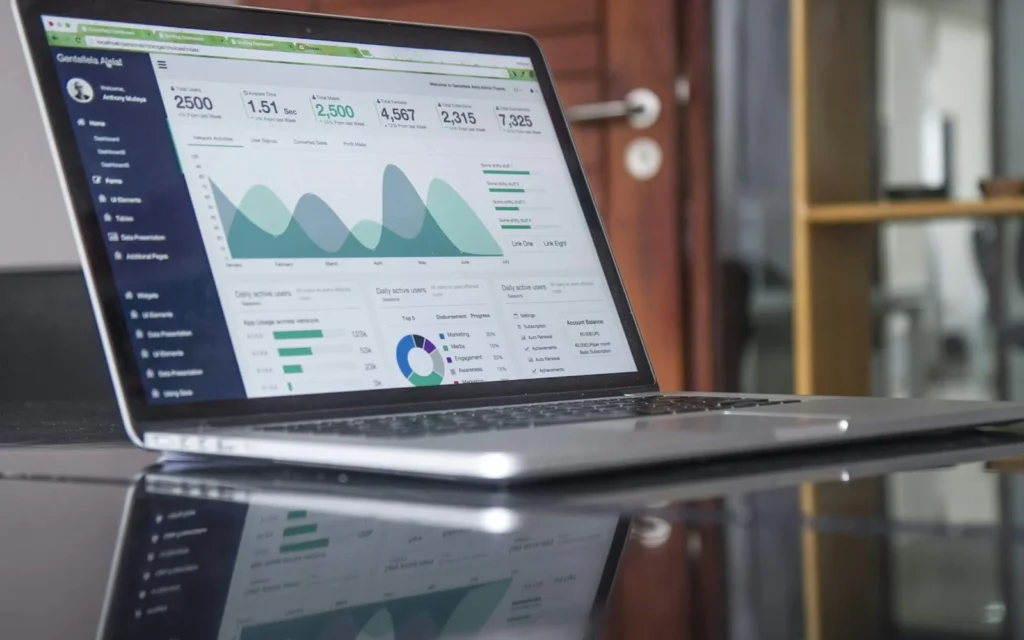
The pieces of Shopify conversion rate optimisation
Analytics review
We check your tracking is right, then study funnels, devices, sources and products to see where money leaks.
Behaviour analysis
Heatmaps, scroll maps and session recordings to see what shoppers do, not just what they click.
Customer research
Surveys, post-purchase questions and support-ticket reviews that reveal doubts and missing information.
Speed and usability checks
Real-device testing of page speed, navigation, filters, search and forms.
Cart and checkout review
Shipping costs, payment options, trust signals and steps that cause people to abandon.
Prioritised test backlog
A ranked list of ideas, each with a reason, an expected impact and an effort estimate.
How a CRO programme runs
Measure
Diagnose
Change
Learn
What good CRO looks like
Fix the obvious before testing the subtle
If your product page loads slowly on mobile, no amount of button-colour testing will help. We start by fixing issues that are clearly hurting people, then test ideas where the answer is genuinely uncertain.
Know your numbers
Conversion rate on its own can mislead. A rate that looks fine may hide a problem on mobile, with new visitors or on a single product line. We segment the data so you can see where the real opportunities are, and we agree on the measures that matter to you, usually revenue per visitor and profit rather than conversion rate alone.
Respect your traffic level
Small stores do not have enough visitors for fast, formal tests on everything. For lower traffic we focus on research-led improvements and sequential changes, and save formal A/B testing for when the numbers support it.
Questions we get asked
It varies widely by category, price and traffic source, so we avoid quoting a single number. Your own trend, and the gap between segments such as mobile and desktop, tells you more than an industry average.
Research-led improvements help at almost any size. Formal testing needs more visitors and orders. We will tell you honestly what your numbers can support.
Not unless the evidence says that is the best move. Most gains come from targeted changes to key pages, not a full rebuild.
Obvious fixes can show an effect within weeks. Learning from tests takes longer, because you need enough data. We report progress each month.
Is CRO your next move?
A good fit if you
- Have steady traffic but weaker sales than you expect
- Have analytics in place, or are willing to fix them
- Want evidence behind design decisions
- Are ready to act on what the data says
Probably not the right moment if you
- Have very little traffic and no sales data
- Want a one-off redesign and nothing else
- Expect big gains from small cosmetic tweaks
Often paired with this
Store Audits (design, tech, SEO)
Shopify Web Design (UI/UX)
Ready for Shopify conversion rate optimisation?
Tell us about your project

- hello@shopifyexpertagency.com
- [+00 000 000 0000]
- Calgary, Alberta, Canada
- Brooklyn, New York, USA
- Working hours: 9:00 AM – 6:00 PM
Build & Launch
SEO & AI Search
Growth
Support
Retention
Specialist
© 2026 Shopify Expert Agency. All rights reserved.